
Innovation in Citizen Services
Transforming rehabilitation in Singapore’s youth homes
9 February 2026
Can digitisation lead to better social outcomes? Discover how the Home Central Information System (HCIS) automates administrative tasks, allowing youth guidance officers to dedicate more time to direct frontline intervention and building rapport with youths.
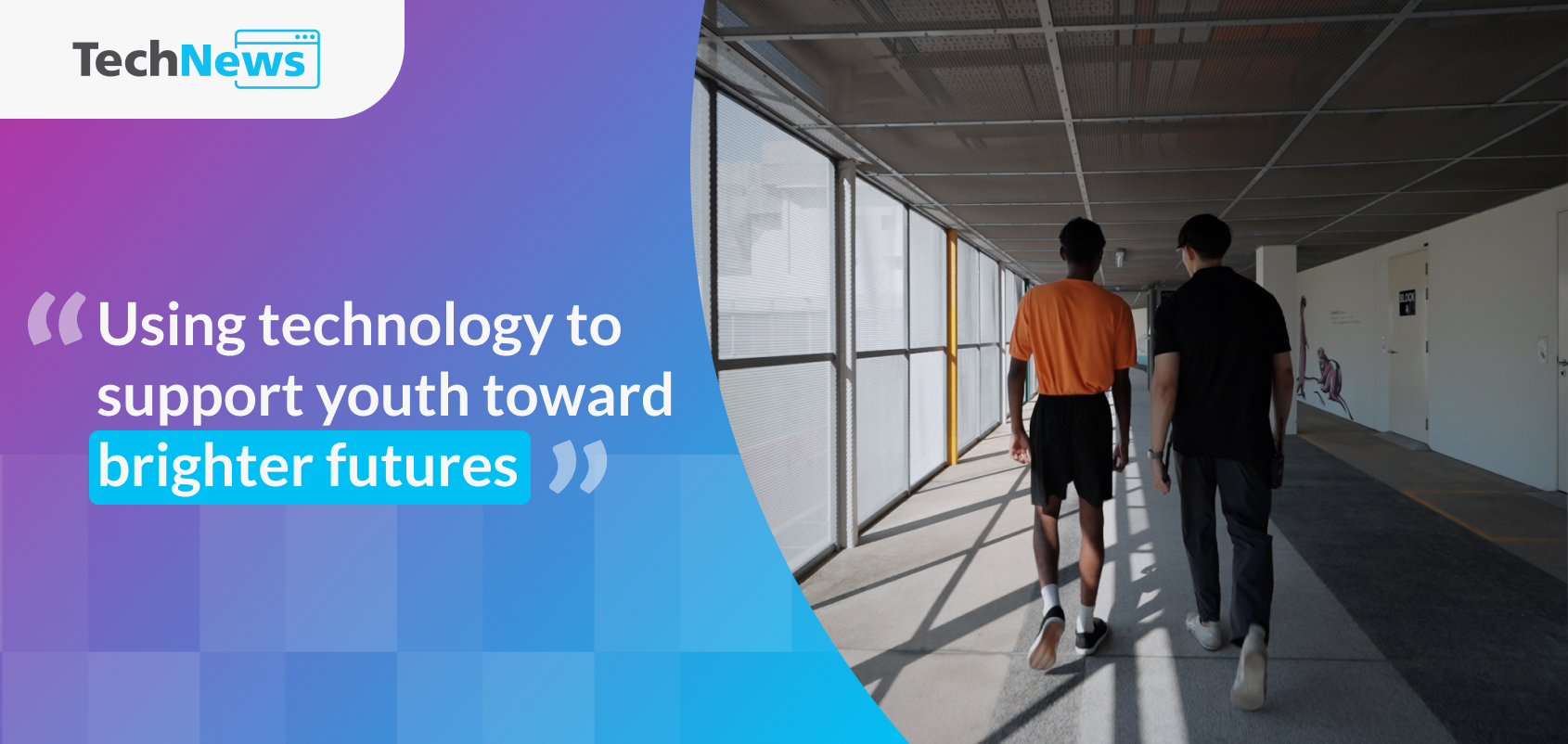
The Singapore Boys’ and Girls’ Homes (SBH/SGH) serve a critical mission: providing a safe, structured environment where youths can undergo meaningful rehabilitation and prepare for a fresh start. However, the path to transformation is often paved with tedious administrative requirements that can unintentionally bog down the process.
To address this, the Ministy of Social and Family Development (MSF) partnered up with GovTech to develop the Home Central Information System (HCIS). Launched as a key digital solution, HCIS streamlines day-to-day operations, ensuring that technology serves as an enabler for better rehabilitation and reintegration outcomes. By integrating technology into the heart of the Home, the environment becomes more responsive, allowing Youth Guidance Officers and caseworkers to devote more time to intervention work, contributing to better outcomes for our youths.
Watch the full video on how a two-year digitalisation project transformed rehabilitation efforts in MSF’s Youth Homes:

The challenge: Maximising time for youth rehabilitation
In the world of social services, time is the most valuable currency. Before this digital shift, officers were often overwhelmed by manual administrative tasks, such as filling out paperwork, cross-referencing files, and tracking movements across disparate systems. This "administrative-heavy" workload created a significant bottleneck, diverting precious hours away from the core mission of rehabilitation.
The impact was more than just operational; it was deeply personal. For a youth to truly be receptive to guidance, they need to have rapport and trust in their officers—a psychological bond that grows best through consistent, face-to-face interaction. By streamlining these workflows, HCIS acts as a force multiplier, allowing officers to return to relationship building. Ultimately, by reducing burnout-inducing paperwork, HCIS improves job satisfaction, ensuring frontline officers stay engaged for the long haul.
Home Central Information System: A unified digital platform
Introduced in April 2024, HCIS is a one-stop information system that serves as the digital backbone of SBH and SGH. The project was a massive undertaking: over two years, more than 50 users from nine different teams took part in the project to ensure the system met the diverse needs of the Homes. Developed through deep, multi-disciplinary collaboration between MSF and GovTech, the system was built with robust governance at its heart, ensuring strict data segregation and secure digital boundaries.
Its core function is to consolidate all youth movements, daily activities, and critical information into a single platform. This unified view eliminates the need for redundant data entry and ensures every officer has access to the same "single source of truth". Such synchronisation is vital in high-stakes environments, allowing for smoother staff transitions and ensuring no critical information falls through the cracks.
Key features: From data to actionable insights
HCIS moves beyond simple record-keeping to transform data into actionable insights that enhance the capabilities of officers on the ground.
Timely and individualised interventions: The platform provides real-time updates on each youth's status, available 24/7. This allows officers to shift from reactive incident management toward a model of proactive care. With a holistic view of progress, officers can make data-driven risk assessments and develop tailored intervention plans.
Effective resource deployment: Shared access to comprehensive schedules and activity logs boosts operational efficiency. This transparency allows the Homes to plan daily programmes and manage staff resources with far greater precision. Because the data is live, resource planning becomes more fluid and responsive to a youth's immediate needs.
Impact and efficiency
The success of HCIS is best reflected in the numbers. One of the most remarkable gains is in the admissions process, which has been streamlined into just four digital steps completed fully online. This has slashed the time taken for a single admission from one hour to a mere 15 minutes. Overall, HCIS has reduced administrative burdens so significantly that officers can now dedicate 31% more time to direct, frontline rehabilitation.
Beyond operational metrics, the platform benefits the youths by modelling digital competency—an essential skill for their successful reintegration and future employment. As one Youth Guidance Officer from SBH shared:
“HCIS was able to provide me with a holistic live view of a youth’s rehabilitation progress in the Home. Instead of retrieving the different information from different sources last time, I can now just have one-click access to HCIS to view all the information I need.”
This "one-click" reality was made possible through continuous change management and staff training, ensuring the system felt like an extension of the officer's mission.
A smarter approach to youth care
Fundamentally, HCIS illustrates how digital tools can elevate social service by improving efficiency and enhancing the human side of care. When technology streamlines administrative processes, it empowers officers to devote more attention to empathy, guidance, and building relationships – key elements that drive positive rehabilitation outcomes for youths. By ensuring that information is easily accessible and accurate, HCIS is a testament to how systems can empower social service professionals to make more informed decisions and take meaningful action.
Through this approach, we are using technology to create better environments for our youth, supporting each individual as they work toward a brighter future.
Watch how HCIS helped rehab work in MSF’s Youth Homes in the full video and discover more stories about Tech for Public Good.
Connect with us!

Subscribe to the TechNews email newsletter