
Voice bookings, AI agents, and scam detection: What STACK Conference 2026 revealed about the future of government services
25 November 2026
Category
Tech for Public Good
Digital Government
Discover how AI is changing how the government and industry build better digital services.
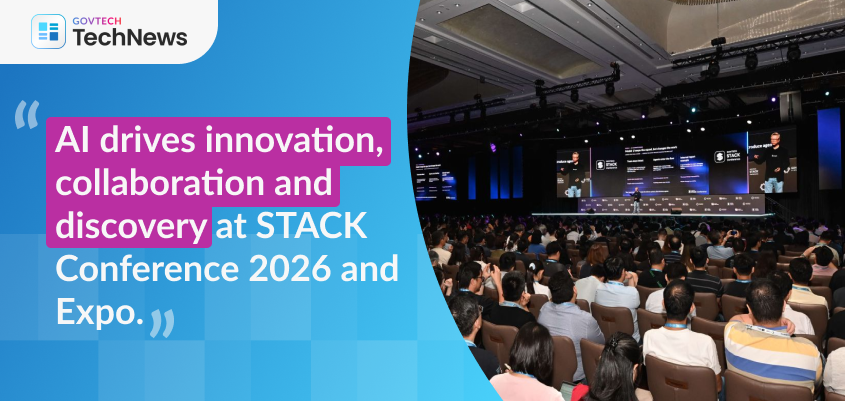
What if you could book a badminton court, verify your identity, and make a payment — all in a single voice conversation with an AI assistant? That was one of the ideas on show at STACK Conference 2026, where over 3,000 public officers, engineers, designers, industry partners and members of the public gathered at Sands Expo and Convention Centre on 4 and 5 November 2026. This year, the conversations extended beyond the conference stage to the Expo floor, where attendees could try out technologies and meet the people behind them.
Looking ahead to the next decade of digital government
At STACK 2026, leaders discussed how AI is changing the way the government builds services, shares platforms, and keeps humans accountable.
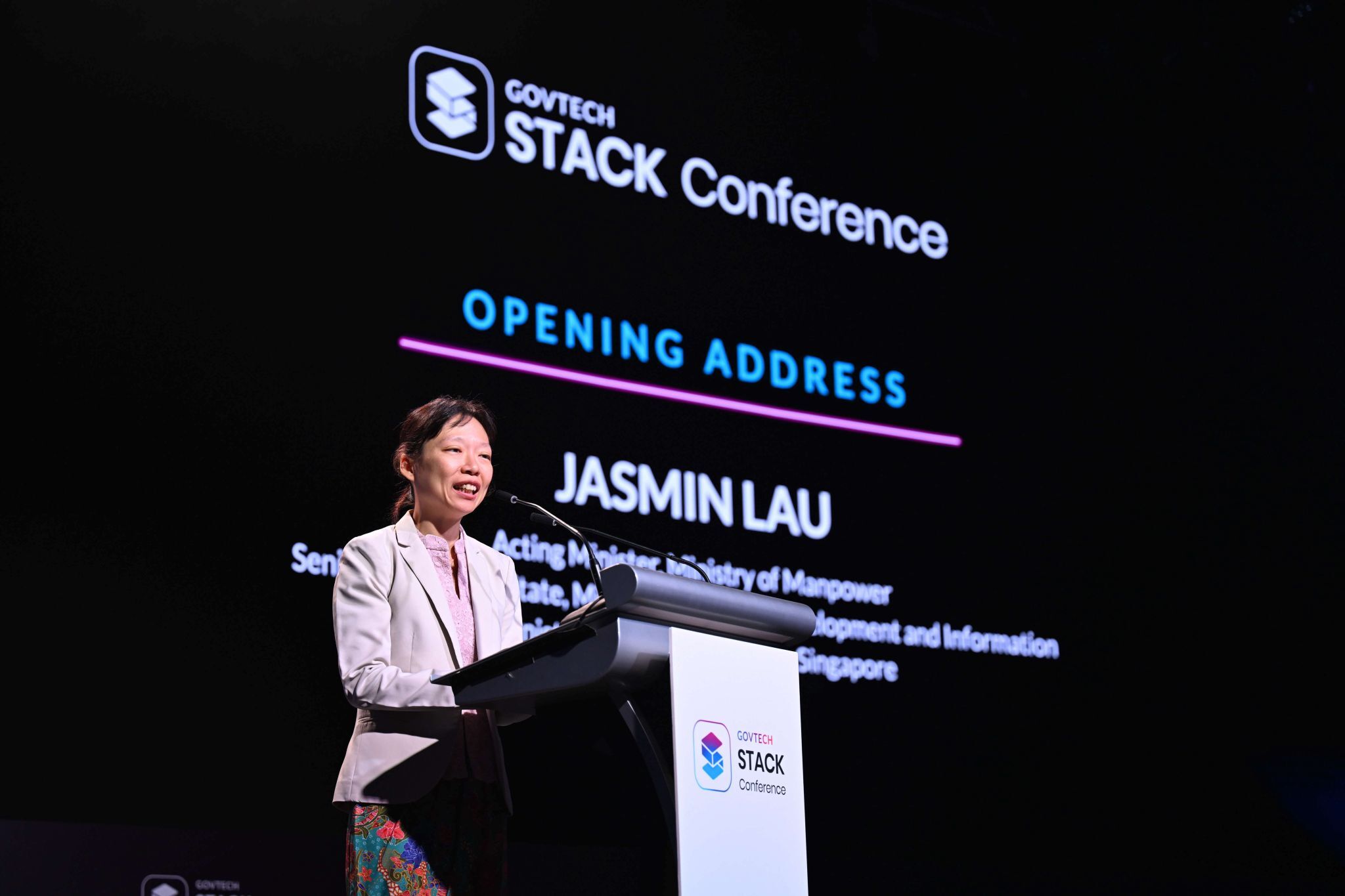
“What problem are we trying to solve, and whose life gets better when we solve it?” Senior Minister of State in the Ministry of Digital Development and Information and Minister-in-charge of the Government Technology Agency (GovTech), Jasmin Lau opened STACK 2026 (opens in new tab)with this question, setting the tone for two days of discussion on AI. She encouraged participants to reach out to partners to tackle problems that no single organisation can solve alone.
She pointed to AntiScam Pango (opens in new tab), an Android app in open beta at the time of STACK, as one such partnership. GovTech and Google DeepMind are working together to improve the app’s ability to recognise scams in the Singapore context.
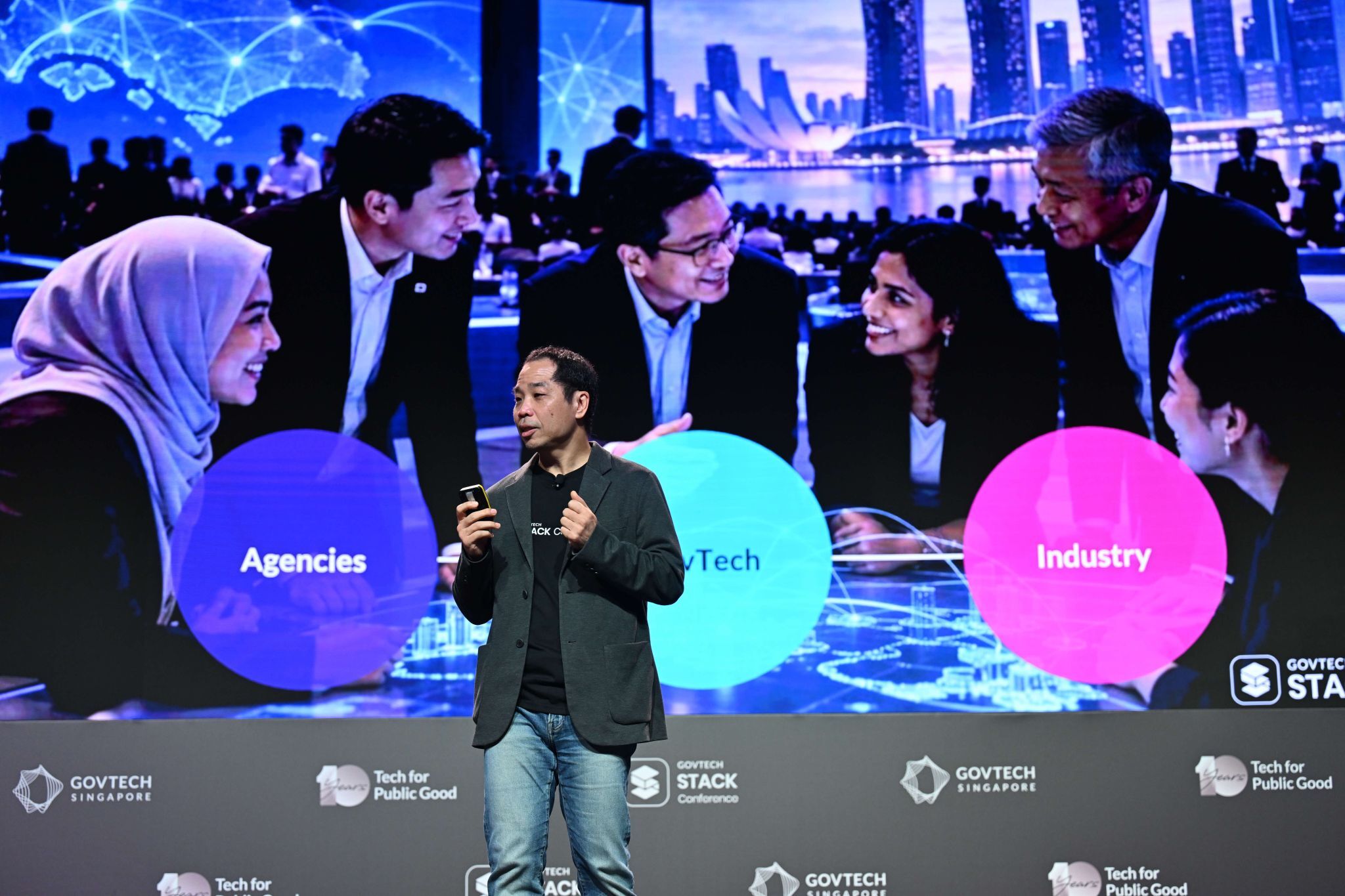
In his keynote on reimagining digital government, GovTech Chief Executive Goh Wei Boon highlighted the role of shared platforms as AI makes it easier for agencies to build apps. He showed how a resident could book a badminton court by voice, with an AI assistant handling identity verification, booking and payment in one interaction. Wei Boon also demonstrated WebSG, GovTech’s AI-assisted website builder, which turns a brief, document or reference image into a website agencies can edit and publish themselves. Both show how shared platforms can help agencies build faster without starting from scratch.
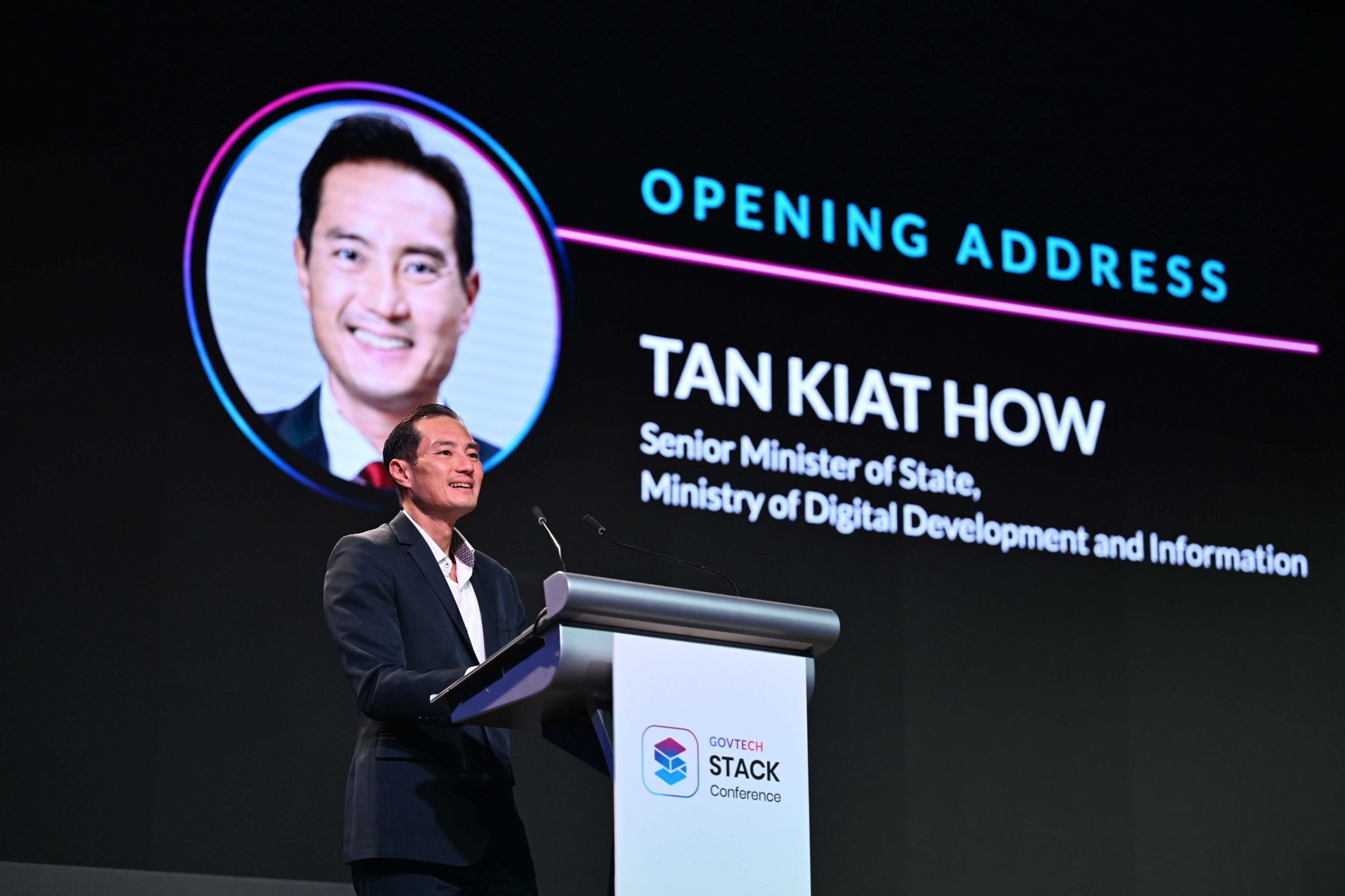
Opening the second day (opens in new tab), Senior Minister of State for Digital Development and Information Tan Kiat How raised the issue of accountability as AI agents begin sending messages and making payments.
To address this, GovTech’s Agentic Risk and Capability (ARC) Framework helps teams decide which actions need safeguards, such as human approval. GovTech is also developing GovHarness, a new platform for building and monitoring AI agents, so they can trace what happens when something goes wrong.
AI is also changing how engineers learn on the job. Looking further ahead, he raised a question to technology leaders about how teams can keep giving junior engineers the hands-on experience and mentorship they need to build judgement, as AI takes on more routine work.
Highlights from the conference stage
Across the keynotes, plenaries and panel discussions, speakers explored how AI is changing the way we trust information, run agents reliably and decide where human judgement belongs.
Keynote: What makes digital information trustworthy?
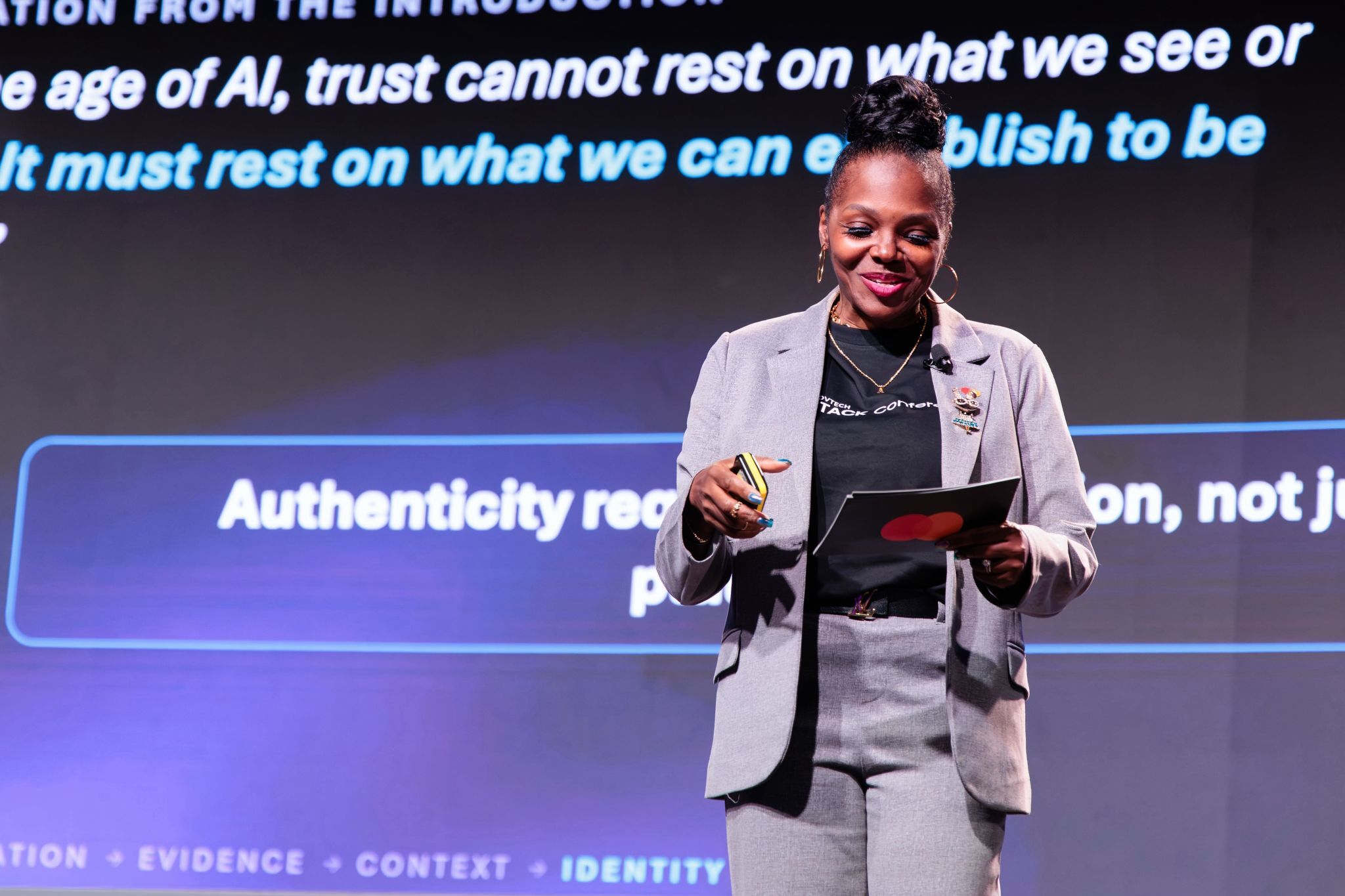
In Trust Needs Receipts – Rethinking Trust in the Age of AI, Dr Alissa Abdullah (opens in new tab), Deputy Chief Security Officer at Mastercard, used a demonstration to challenge the audience’s assumptions about credibility and authenticity. She invited participants to consider four questions when assessing a claim: what information is being presented, what evidence supports it, what context might change its meaning, and who is behind it.
Plenary: What does it take to run AI agents reliably?
In Agentic Cloud: Production-Ready Intelligence for Every Agent, Dr Li Fei Fei (opens in new tab), Chief Technology Officer and President of International Business at Alibaba Cloud, explored the cloud infrastructure behind AI agents, drawing on examples from software development, content production and enterprise services. As agents take on tasks with several steps, one practical takeaway for teams was to plan how to monitor their work. Teams need to be able to trace what an agent did at each stage.
Panel discussion: Where does human judgement belong?
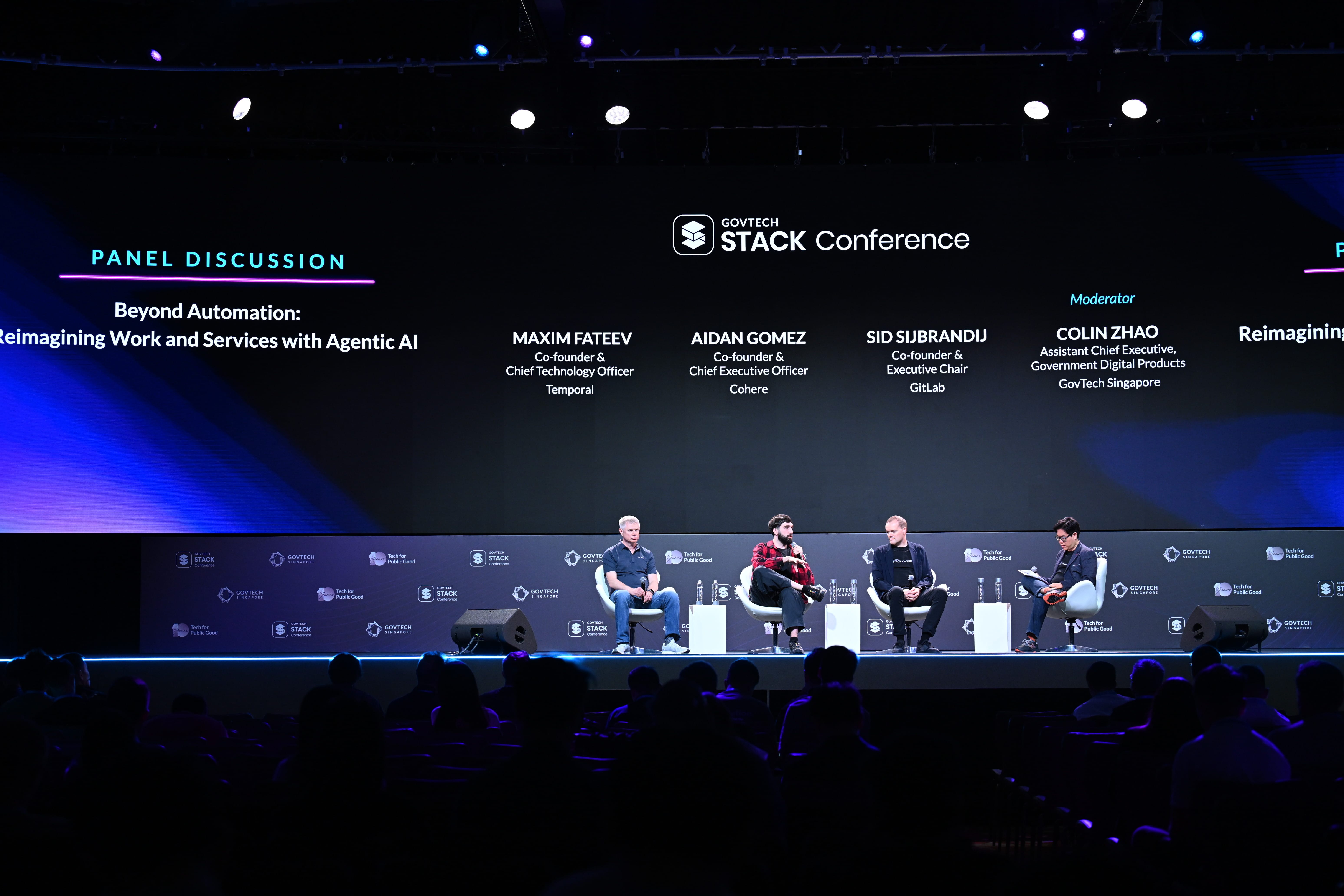
Colin Zhao (opens in new tab), Assistant Chief Executive, Government Digital Products at GovTech, moderated Beyond Automation: Reimagining Work and Services with Agentic AI. The panel brought together Aidan Gomez (opens in new tab), Co-founder and Chief Executive Officer of Cohere; Maxim Fateev (opens in new tab), Co-Founder and Chief Technology Officer at Temporal Technologies; and Sid Sijbrandij (opens in new tab), Co-founder and Executive Chair at GitLab. They explored how organisations could redesign services when AI agents can coordinate work across systems. Redesigning services this way also means deciding which actions an agent can take on its own, and where a person should exercise judgement and stay accountable.
These were some of the highlights across the two days. Hear more from the other speakers (opens in new tab) on how AI is changing the way we build, work and trust.
A first for STACK on the Expo floor
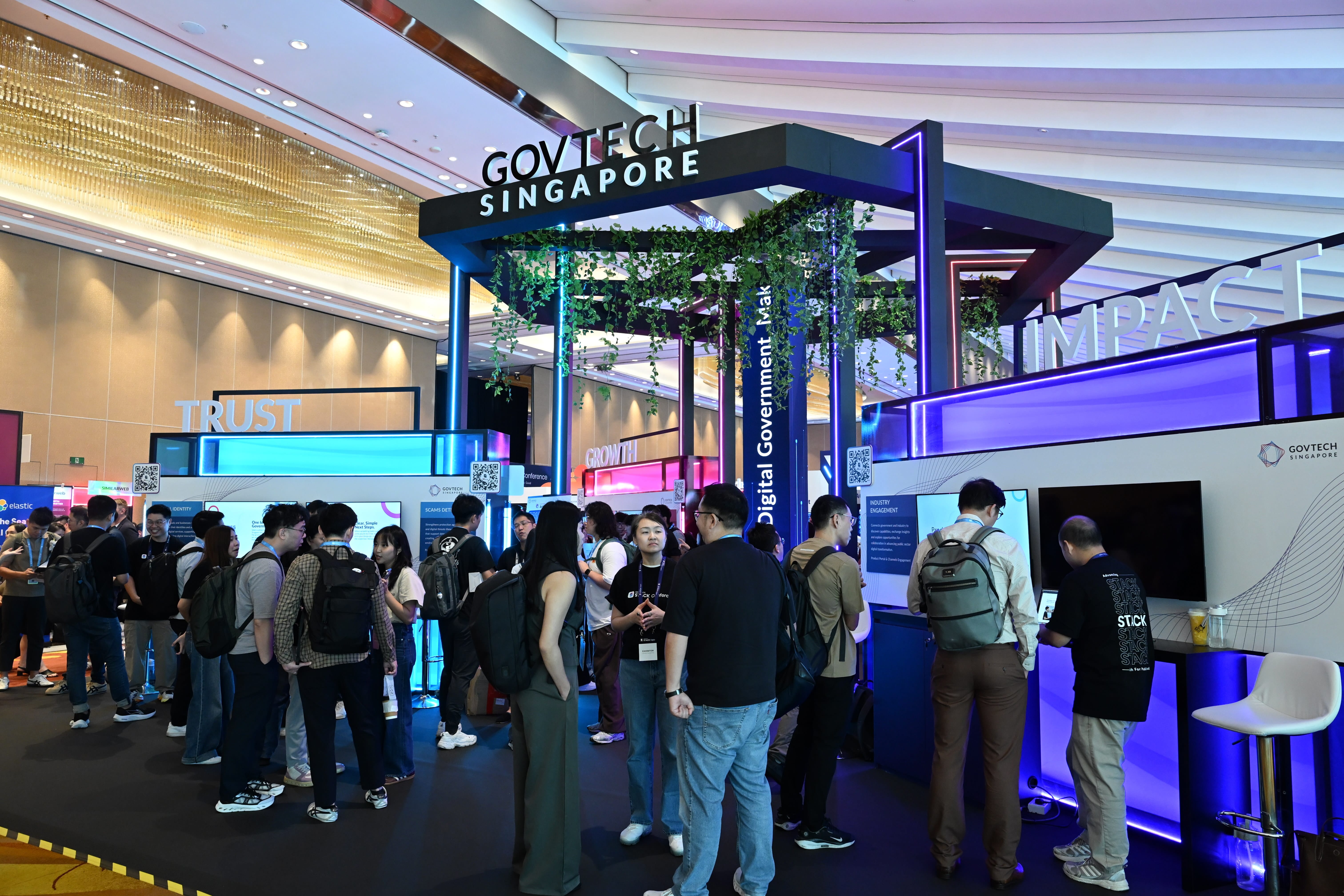
At the inaugural STACK Expo, members of the public could try out technologies through hands-on demonstrations at partner booths and across the GovTech Pavilion’s four zones (opens in new tab): Growth, Community, Trust and Impact.
At the partner booths, Menlo Security (opens in new tab) showed visitors how their offering keeps browsers secure for both people and AI agents. Cloudflare (opens in new tab) showed how developers can build, secure and scale apps and AI agents for users around the world. Tenable (opens in new tab) demonstrated how organisations can identify and close security gaps across their IT infrastructure, cloud environments and operational technology.
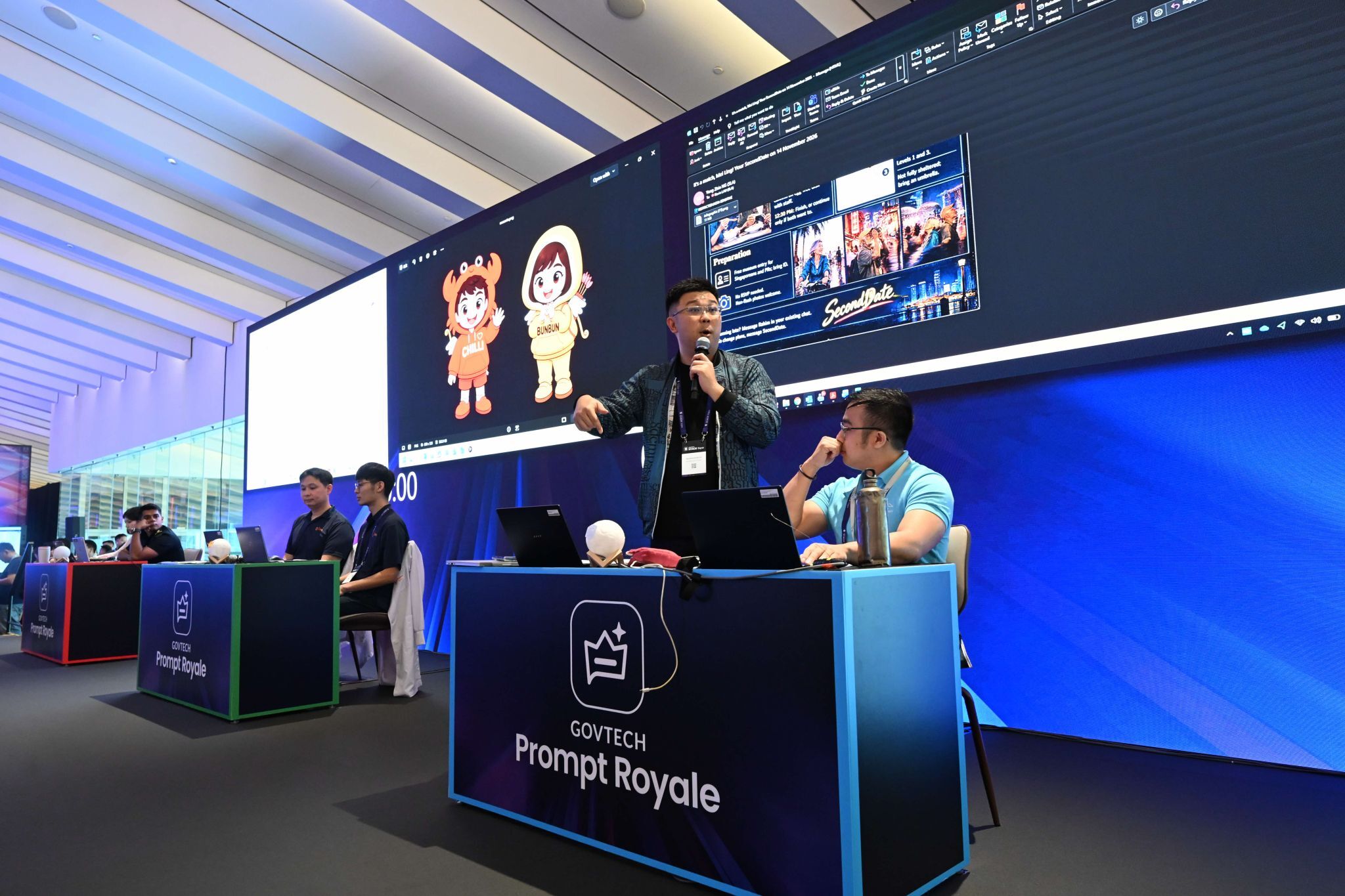
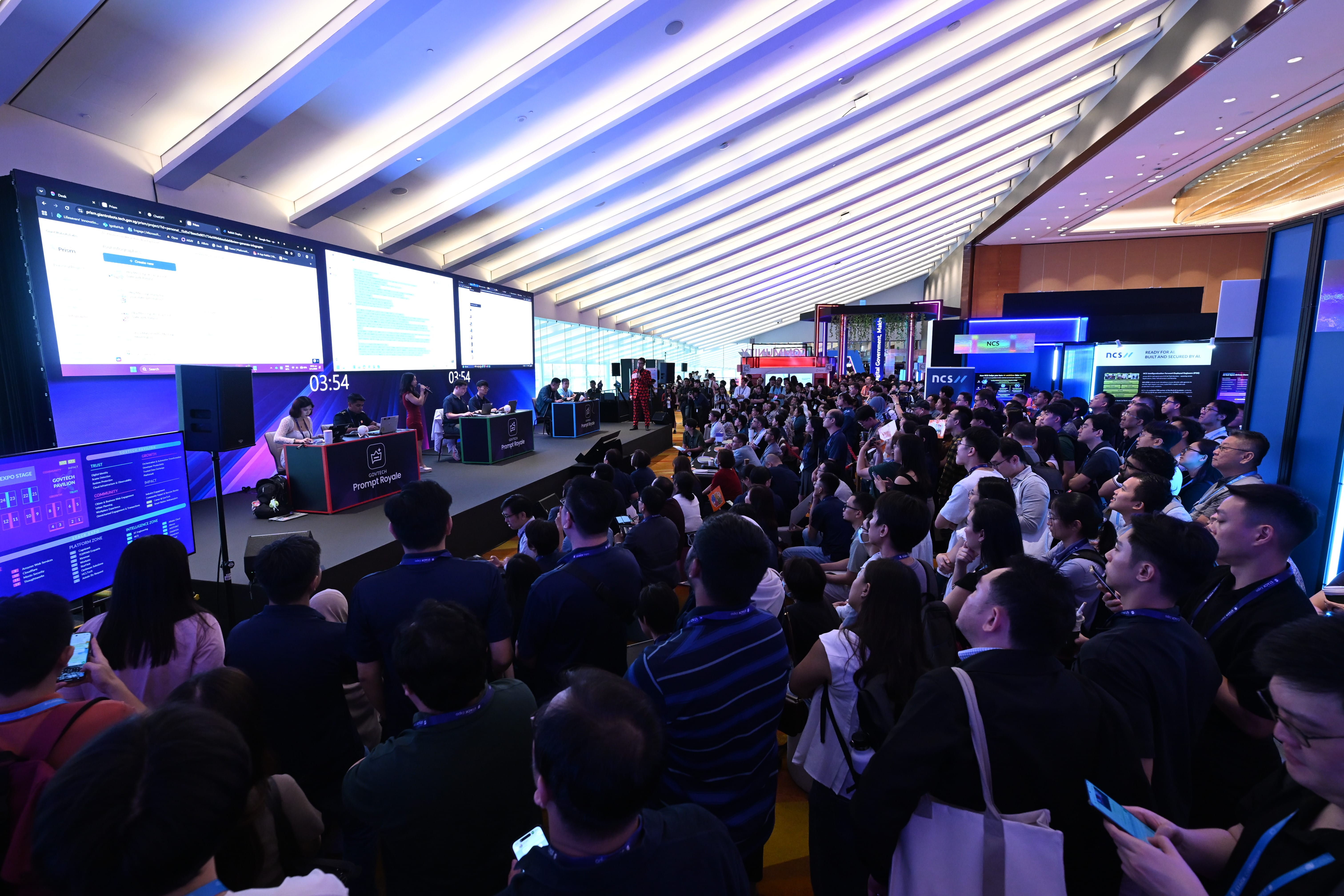
The Expo also hosted the grand finale of Prompt Royale (opens in new tab), Singapore’s largest whole-of-government AI competition. Attendees watched teams from the Singapore Civil Defence Force (SCDF), the Singapore Food Agency and the Singapore Land Authority compete in four live challenges across content creation, data analysis, workflow automation and video generation, with SCDF taking home the champion title.
Watch the conference recordings
Missed a talk, or want to revisit how AI is changing the way we build, work and trust?
Watch all of the STACK Conference 2026 recordings (opens in new tab) here (opens in new tab).
Discover what went down at GovTech's STACK Conference 2026
